Review
Volume 38; Suppl. 1
22 min
Legends, dogmas, presumptions, and demystifications in antibiotic therapy
Rosa Blanes Hernández1 , Santiago de Cossio Tejido1 , Francesc Puchades Gimeno2,3 , Víctor García-Bustos1,2 , Miguel Salavert Lletí1,2,*
1Infectious Diseases Unit. La Fe University and Polytechnic Hospital, Valencia, Spain
2Accredited Research Group on Severe Infection; La Fe Health Research Institute (IIS-La Fe), Valencia, Spain
3Internal Medicine Department, Valencia General University Hospital Consortium, Valencia, Spain
https://doi.org/10.37201/req/s01.11.2025
Receipt Date:
04/09/2025
Acceptance Date:
03/09/2025
Publication Date:
23/10/2025
How to cite
Blanes Hernández R, de Cossio Tejido S, Puchades Gimeno F, García-Bustos V, Salavert LLetí M. Legends, dogmas, presumptions, and demystifications in antibiotic therapy. Rev Esp Quimioter. 2025; 38(Suppl. 1): 70-79. Available from: https://doi.org/10.37201/req/s01.11.2025
Metrics
1066
Views
300
Downloads
Share
Share
Abstract (EN)
Suboptimal antimicrobial use is a global challenge driven by entrenched misconceptions and dogmas. This article aims to critically evaluate and debunk several widespread myths in infectious disease management that lead to overdiagnosis and overtreatment. Through a nonsystematic literature review, this manuscript examines key misconceptions across various aspects of antimicrobial therapy, including administration routes, drug mechanisms, treatment duration, and the interplay with infection source control. It also explores the influence of evolving concepts like long-acting antimicrobials and the human microbiome. We challenge the dogmas that intravenous antibiotics are superior to oral agents, that longer courses are always better, and that bactericidal drugs are more effective than bacteriostatic ones. The review highlights the paramount importance of source control and surgical intervention in treating severe infections and cautions against misinformation surrounding the human microbiome. The medical community must critically re-evaluate long-standing clinical practices to improve antibiotic stewardship. By debunking these myths, we can promote a more precise, safe, and effective approach to antimicrobial use, ultimately reducing unnecessary prescribing and combating antimicrobial resistance.
Keywords (EN):
Shorter antibiotic courses
Misconceptions
Antimicrobial Therapy
Microbiome
Antimicrobial stewardship
Myths
Introduction: debunking myths and misconceptions in antimicrobial therapy
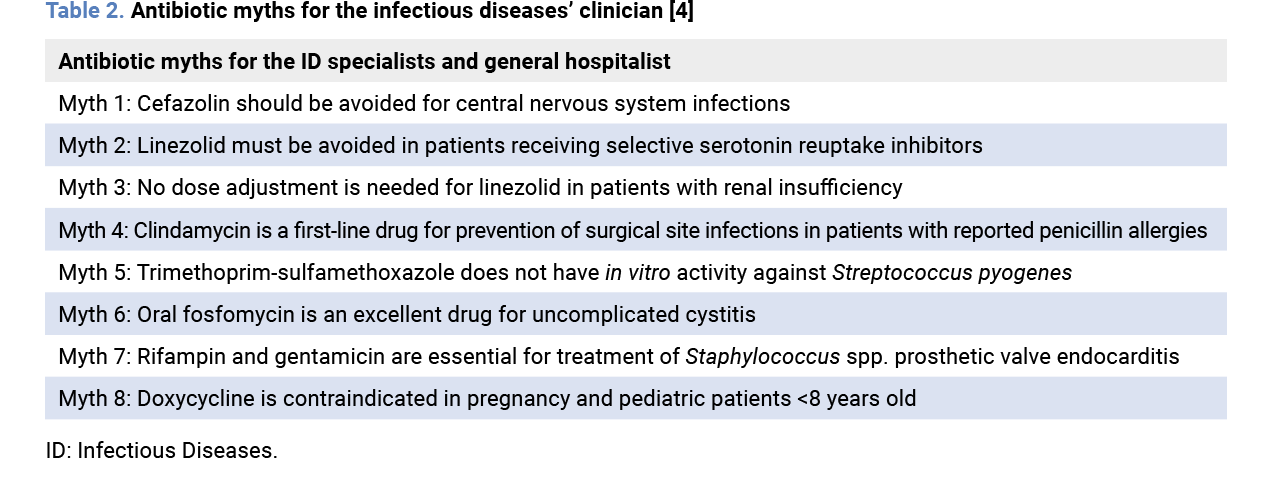
Antimicrobial agents are among the most frequently prescribed medications in both primary care and hospital settings. However, a significant portion—estimated at 30% to 50% or more—of antimicrobial use is unnecessary or suboptimal. The overdiagnosis and overprescribing of antimicrobial drugs remain widespread issues in the clinical practice of infectious diseases, both in primary and hospital care. This widespread use (and misuse) is often perpetuated by reliance on outdated practices rather than current evidence, leading to the propagation of clinical “dogmas” over time. Consequently, principles of antimicrobial prescribing may become rooted in misconceptions, and medical paradigms can be followed without robust scientific foundation until they (status quo) are challenged by unique patient cases or logistical complexities. By examining publications in the medical literature through non-systematic reviews and filtering them through experience, evidence, and common sense, we can identify several persistent myths related to the diagnosis and treatment of infectious diseases [1,2]. These misconceptions often result in extraneous testing (overdiagnosis) and excessive antimicrobial treatment (overtreatment). Most of these myths and misconceptions are deeply ingrained among general practitioners and hospitalists across many countries. It is crucial not only to debunk these myths from our clinical practice, but also to actively reverse them. After more than 90 years of experience, we have accumulated vast knowledge about antimicrobial agents. Unfortunately, some of what is “known” is incorrect. To paraphrase Sir William Osler, half of everything we’re taught is wrong—the problem is, which half? This review aims to debunk and addressed several persistent myths related to antibiotic route of administration, duration of therapy, bactericidal versus bacteriostatic activity, the indispensability of source control, the positioning of long-acting antimicrobials, and misconceptions surrounding the human microbiome [3,4]. A classic example is the historical avoidance of the entire β-lactam class in patients with a reported penicillin allergy; a practice now widely proven to be unfounded and harmful. We encourage readers and physicians to critically evaluate their own practice in relation to the misconceptions, myths, and dogmas discussed in this manuscript (Tables 1 and 2) [3,4].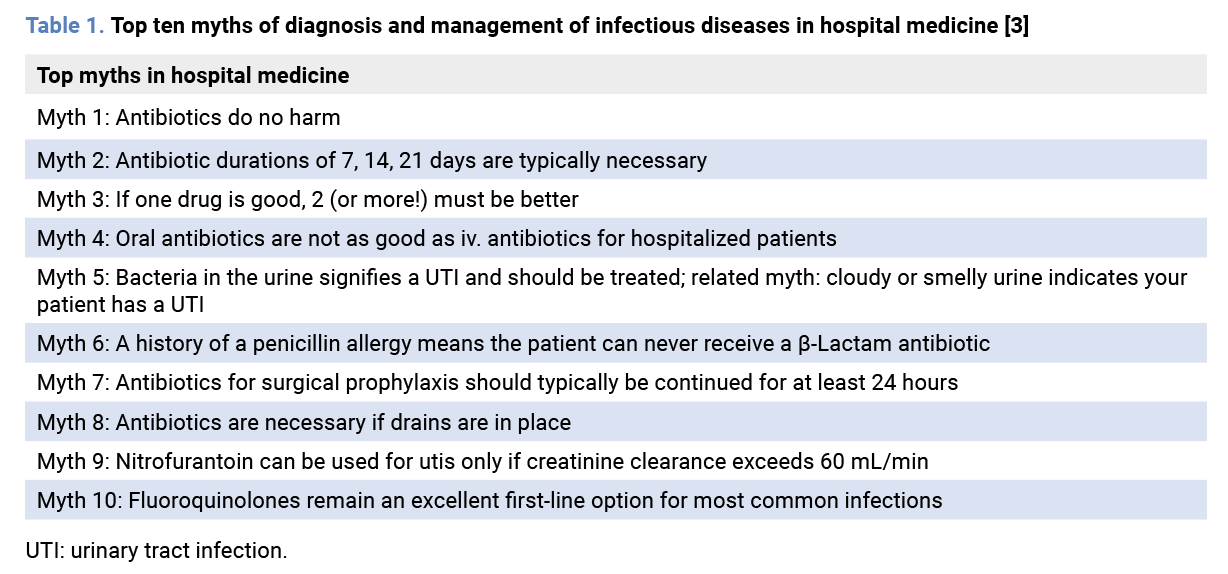
 Given the editorial constraints of this special issue, this review does not attempt an exhaustive catalogue of all myths in infectious diseases. Instead, we will offer a focused selection of clinically relevant examples, informed by both literature and clinical experience. By presenting these examples, we hope to draw increased attention to the implications of inaccurate dogma becoming embedded in the literature, particularly regarding the management of severe infections and multidrug resistance. We also highlight the importance of acknowledging nuance when describing the complex pharmacology and antimicrobial activity of these compounds.
Myth inescapable (#1): intravenous antibacterials are more effective than oral antibacterials
This misconception, though deeply rooted in some professional circles, is a pervasive myth. Oral antibacterials can be as effective and are often safer than their intravenous counterparts [5]. The basis for this lies in the high oral bioavailability of many antimicrobial classes, including fluoroquinolones (75-95%), tetracyclines (>95%), oxazolidinones (90-100%), lincosamides (90%), nitroimidazoles (90%), sulfonamides (85-90%), and rifamycins (>90%). This excellent bioavailability, combined with good tissue distribution and penetration, makes these agents highly effective. Even for other antibiotic families with lower bioavailability, such as some β-lactams (e.g., penicillin at ~60%, cloxacillin at 40-50%) and macrolides (e.g., azithromycin at 40%, clarithromycin at 60%), an oral route is not necessarily limiting for treatment success. Concepts of oral bioavailability and drug penetration are important considerations when selecting oral antibacterials [2]. Oral bioavailability refers to the fraction of an orally administered drug that reaches systemic circulation and is available to exert its pharmacological effect at the site of infection. As many antimicrobials have excellent oral bioavailability, they should be considered equally efficacious as their intravenous counterparts in patients with normal gastrointestinal absorption. Drug penetration is another important consideration, referring to an agent’s ability to achieve therapeutic concentrations at the infection site. For instance, oral fosfomycin has low oral bioavailability (<50%) but achieves excellent penetration into prostate tissue, with a growing body of evidence supporting its use for chronic bacterial prostatitis. The critical determinant is not the administration route, but whether effective drug concentrations and exposure can be achieved at the site of infection. For decades, parenteral administration of antibiotics was assumed to be necessary and superior for treating infections like osteomyelitis and bacteremia. While empirical intravenous therapy is appropriate for unstable or severely ill patients with suspected deep-seated infections, evidence demonstrates that early transition to oral therapy can be equally effective and safer in selected cases. Contemporary literature reviewing the administration of oral versus parenteral therapy for select cases of osteomyelitis, infective endocarditis, and bacteremia has confirmed that oral therapies are effective when optimal doses can be clinically achieved [6,7,8]. Furthermore, the use of oral therapies obviates the risks associated with intravenous access, such as phlebitis, thrombosis, and catheter-associated bloodstream infections. Infectious disease specialists can provide crucial guidance on the optimal timing for transitioning to oral antibacterials. In summary, the outdated paradigm that intravenous antibacterials are inherently superior to oral antibiotics requires continuous challenging. Clinical decision-making should prioritize pharmacokinetics and pharmacodynamics (PK/PD), infection site, and patient stability, rather than administration route alone.Myth inexcusable (#2): bactericidal antibiotics are more effective than bacteriostatic agents
This belief is fundamentally flawed and, with few exceptions, an outdated concept for most clinical scenarios. There is no significant difference in efficacy between bactericidal and bacteriostatic antibiotics. The practice of using the “versus bacteriostatic” dichotomy to select antibiotics is no longer a valid paradigm [2]. While this concept might still be relevant in specific contexts—such as in patients with certain infections like sepsis, bacteremia, endocarditis, or meningitis, or in immunosuppressed hosts with profound and prolonged neutropenia, and in the case of some older antibacterial agents or those with pharmacokinetic (PK) and pharmacodynamic (PD) disadvantages —it was traditionally believed that bactericidal agents (which kill bacteria) were inherently superior to bacteriostatic agents (which prevent bacterial growth). However, categorizing antibacterials as strictly bactericidal or bacteriostatic is an oversimplified view of their mechanism of activity. The “cidality” of an antibiotic is often dose-dependent; many drugs deemed bacteriostatic at a determined concentration become bactericidal at a higher dose, especially when combined with the host’s immune response [9]. Contemporary evidence has not identified any meaningful difference in clinical outcomes between bacteriostatic and bactericidal drugs, in conditions such as pneumonia, skin and soft tissue infections, and intra-abdominal infections [10]. In summary, the bactericidal-bacteriostatic distinction should not be considered a decisive factor in routine prescribing; therapeutic choices should be guided, again, by PK/PD principles, the infection characteristics, and host-specific factors.Myth unforgettable (#3): longer courses of antibacterials lead to fewer relapses of infection
Once again, this is another false and deeply entrenched myth in our minds and cultural beliefs that must be challenged to improve prescribing practices and align with evidence-based stewardship programs that drive innovation and value. As in fashion and design, the “less is more”, “less is better” or “shorter is better” philosophy has become a cornerstone of modern antimicrobial management [11]. The key principle is that shorter antibacterial courses are non-inferior to longer ones and are associated with fewer adverse effects [2]. For decades, the belief in prolonging antibiotic durations was emphasized to prevent relapse and curb the development of antimicrobial resistance. However, a major shift in this principle is underway, driven by the realization that many traditional recommendations on antibiotic duration were established with limited evidence and remained unchallenged for years since their inception [12]. The true scientific guru who has most championed and studied this “shorter is better”, the new antibiotic mantra [13], is Professor Brad Spellberg. His invaluable and extensive contributions have analysed a multitude of studies across various infectious syndromes, helping to clarify our understanding and actively promote the implementation of shorter, evidence-based treatment regimens whenever possible, without compromising patient outcomes [14]. His publications and website (https://www.bradspellberg.com/shorter-is-better) offer a wealth of enriching insights on this topic. Contemporary literature and re-evaluations of past evidence have demonstrated that many infectious syndromes can be treated with shorter antibiotic courses (Table 3). Shorter courses not only reduce the selection of bacterial resistance, but each additional day of antibiotic therapy is also associated with an estimated 4% increase in adverse drug effects [15].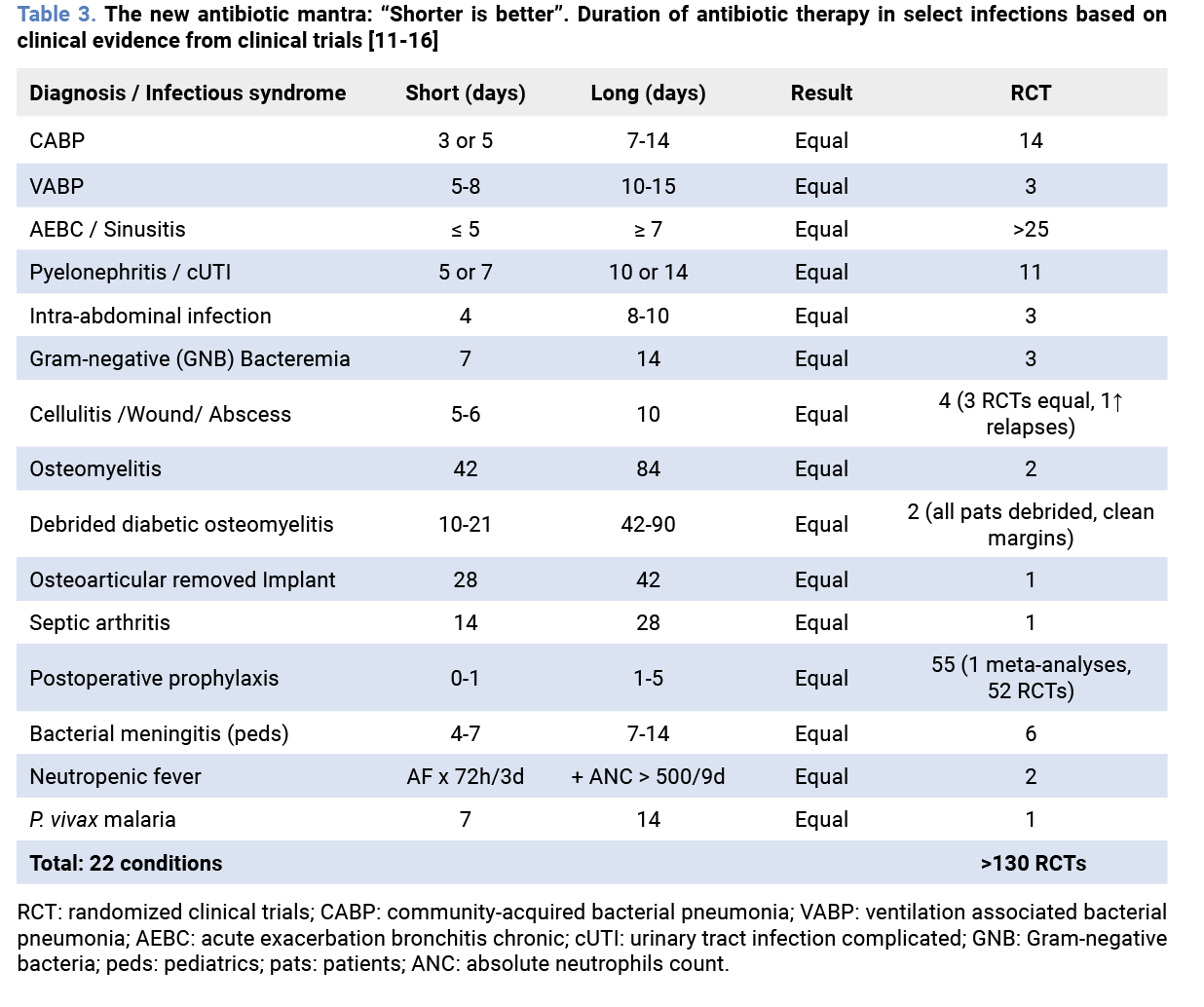 Nevertheless, important exceptions remain where prolonged therapy is still required and treatment duration should not be shortened (e.g., prosthetic joint infections, otitis media in paediatric populations, or chronic pulmonary aspergillosis).
In practice, serial clinical assessments are key for optimizing the duration of therapy for common infections like cellulitis, urinary tract infections (UTIs), and pneumonia. With evidence now demonstrating that effective treatment for these conditions can be achieved in less than one week, it is incumbent upon clinicians to scrutinize the data that informed previous clinical practice and to incorporate the patient’s clinical course when determining the duration of therapy [15,16].
Finally, apart from the bacterial world, is it possible to apply the principle of “less is more” in fungal infections? If agreement can be reached among the scientific community on the clinical, microbiological, and time-dependent definition of uncomplicated candidaemia in adults, it may be possible to shorten the duration of antifungal treatment for candidaemia.
The spectrum of candidaemia ranges from one single positive blood culture to persistence over several days, whereas, per current guidelines, treatment lasts a uniform 14 days after clearance of blood cultures. Although candidaemia might appear uncomplicated in some people, there is no definition distinguishing uncomplicated candidaemia from complicated candidaemia. Uncomplicated candidaemia was defined recently by a German group of authors as Candida spp. clearance from blood with documented appropriate source control and clinical response within 5 days of antifungal treatment [17]. Complicated candidaemia was indicated by any criteria of prolonged bloodstream infection, immunosuppression, intravenous drug use, extra-abdominal organ candidiasis, echinocandin-resistant species, or recurrence.
The definition proposed in this recent article for uncomplicated candidaemia could have two implications. In clinical practice, the definition might be used to identify patients at low risk for a complicated disease course, and lead to shorter treatment duration than what is currently recommended while acknowledging the aforementioned limitations. Although the authors do not yet advocate such individualised treatment at this stage. The second application of these criteria is to help define a patient population for comparative clinical trials, evaluating whether shorter is better for patients with candidaemia [17]. Consequently, current treatment duration in people with uncomplicated candidaemia warrants evaluation in randomised controlled trials. Ultimately, only a double-blind, randomised controlled trial will provide evidence as to whether patients with uncomplicated candidaemia are currently overtreated.
Myth immaculate (#4): antibacterials can cure infections on their own
This is a fundamental fallacy—an assertion that is neither real nor correct. How we, as infectious disease specialists, would love to be able to control and cure infections with antibiotics alone! However, in many cases, achieving what is aptly named “source control” is the key to successfully resolving an infection. To achieve this, in addition to removing foreign bodies or infected medical devices, the assistance of an interventional radiologist or an expert surgeon may be required. Quite often, the most effective “antibiotic” is called a “scalpel.” This highlights the critical importance of drainage, debridement, lavage, tissue toilet, removal or reimplantation of materials, and appropriate closure as essential elements in controlling infection foci, especially in skin and soft tissue, osteoarticular, cardiovascular, and intra-abdominal infections. The use of antibiotics to treat an infection without addressing factors that promote its ongoing presence is not curative. Therefore, source control is paramount to resolving the infection [2]. This argument for “source control” becomes more evident in infections characterized by abscess formation (pseudospherical collections, where antibiotic penetration is nearly impossible and where acidic pH changes also hinder its activity), necrotic tissues with poor or no vascularization (as seen in patients with diabetes mellitus and peripheral vascular disease), or the presence of foreign bodies and bioprostheses. For example, source control is a critical issue in the treatment of complicated skin and soft tissue infections (cSSTIs), with or without sepsis. The impact of surgical source control for severely ill patients with sepsis is well-documented. In cSSTIs, source control can range from the simple removal of a central venous catheter to the radical debridement of extensive body areas. PK/PD alterations in patients with necrotizing soft tissue infections (NSTIs) significantly influence management. NSTIs serve as a model disease for the value of surgical intervention in severe cSSTIs. Recent research has focused on early diagnosis, the optimal timing and extent of surgery, and the assessment of controversial adjunctive therapies (e.g., hyperbaric oxygenation, intravenous immunoglobulins) [18]. The features of septic shock from any cause—such as increased volume of distribution, altered renal clearance, hypoalbuminemia (which increases the unbound fraction of antibiotics), and reduced tissue perfusion—necessitate optimizing the delivery of hydrophilic and time-dependent drugs like β-lactams. This is achieved using high loading doses and prolonged infusions with therapeutic drug monitoring. Specific to NSTIs, tissue necrosis and local ischemia lead to microvessel obstruction and hindered tissue diffusion, which underscores the need for urgent and aggressive surgical debridement and removal of necrotic tissue. Molecules with higher tissue diffusion, such as lipophilic agents (e.g., clindamycin, linezolid, and daptomycin), might be particularly beneficial in this setting [19]. Although the evidence for simple source control measures (e.g., incision and drainage of an abscess) remains low, its necessity appears to be self-evident. Radical debridement remains the standard of care for patients with soft tissue sepsis due to necrotizing infections, and surgical intervention should be performed within 12 hours of admission. Critically ill patients benefit when source control procedures are undertaken within the first 12 h of diagnosis [20]. Only an aggressive approach offers the possibility to save life and limbs of the affected patients. Similarly, antibiotic penetration into abscesses (especially intra-abdominal ones) is limited and unreliable. Therefore, the drainage of pyogenic abscesses is critical for the treatment of sepsis, as it not only helps restore normal physiological function but also enhances antibiotic absorption into the infected space [21]. In patients with diabetes and non-revascularizable peripheral arterial disease who develop foot infections, antibiotics alone may not be sufficient for a cure [22]. The use of antibiotics is also limited in eradicating infections involving hardware. The presence of catheters, orthopaedic hardware, and vascular grafts makes infections difficult to treat. Compared to planktonic pathogens, bacteria within a biofilm matrix are significantly less sensitive to antibiotics. Factors like limited oxygen availability, impaired neutrophil oxidative killing capacity, and physical biofilm barriers contribute to reduced antimicrobial efficacy [23]. Finally, in immunocompromised individuals, reducing or eliminating the net state of immunosuppression is crucial for a favourable clinical course. The recovery of neutrophil counts in oncohematological patients with febrile neutropenia, for instance, plays a major role in the resolution of infection.In summary, antibiotics are essential but sometimes not sufficient. Successful management requires timely and effective source control, host optimization, and supportive care.
Myth “plus” (#5): “long-acting antimicrobials are indicated almost exclusively for continuous, prolonged, consolidation, or chronic suppressive therapy”
Over the last decade, the perception has grown that so-called “long-acting” drugs (Figure 1), such as dalbavancin, oritavancin (lipoglycopeptide antibiotics), or the antifungal, rezafungin, are suited almost exclusively for prolonged use in consolidation or chronic suppressive regimens (weeks to months) due to their extensive pharmacological half-life.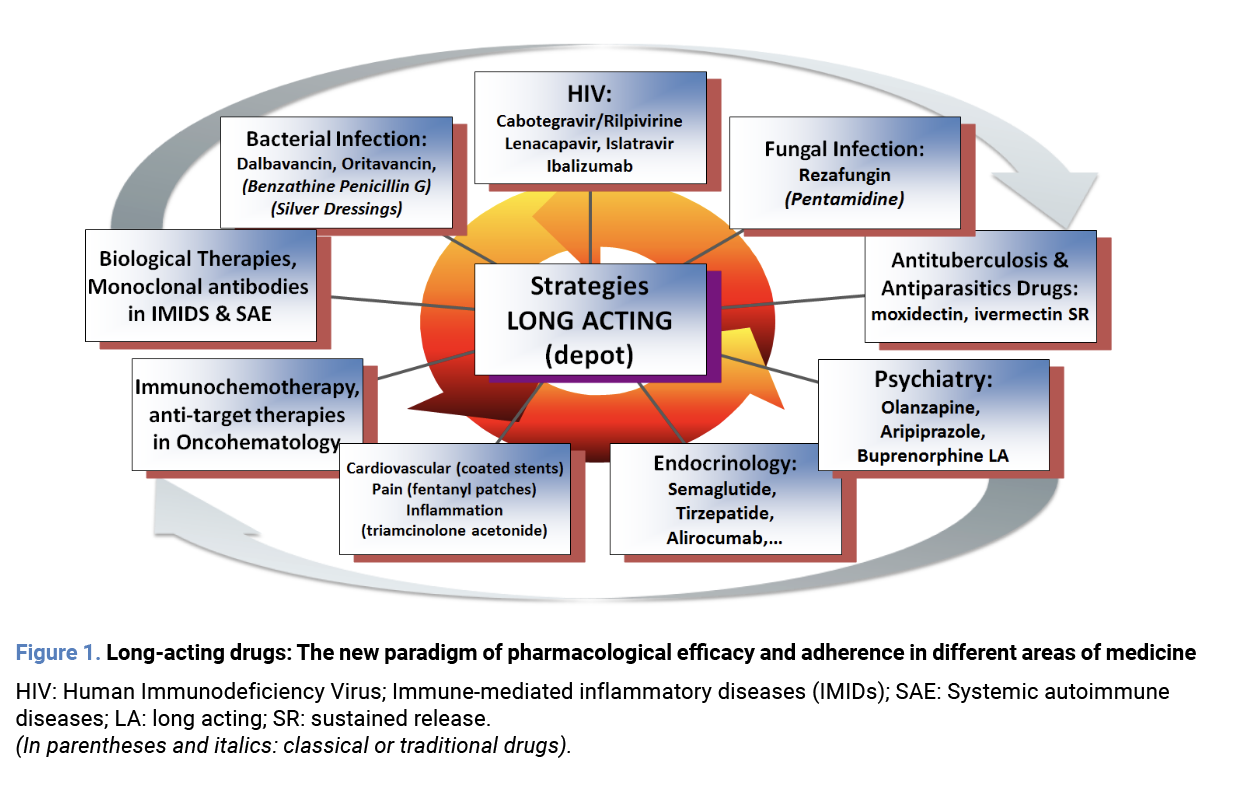 Although their main pivotal studies for obtaining regulatory agency (FDA, EMA) label indications were conducted for the treatment of acute infections, such as complicated skin and soft tissue infections [24], or invasive candidiasis or candidaemia [25], respectively, other observational or “real-world” studies conducted afterward, in addition to clinical practice itself, have established a trend towards greater use in chronic or prolonged, consolidation, or even long-term chronic suppressive therapies. All of this always depends on the drug’s safety profile, its drug interactions, the convenience it offers to the patient, the improvement and optimization of nursing care and the preservation of venous capital and vascular access, as well as guaranteeing patient adherence and compliance [26].
However, certain reluctance and fears underlie their use in acute processes, even in the context of patients with severe infections, such as bacteremia and/or sepsis, in a framework of patient safety and prescriber confidence [27]. It seems we forget the basic studies, both in vitro and in vivo in animal models, where these “long-acting” drugs (240–320 hours half-life for the mentioned lipoglycopeptides, or 125–145 hours for rezafungin) are capable of achieving the highest and fastest bacterial or fungal lethality, per unit of time, according to the colony-forming unit (CFU) reduction studies in the lethality/time curves, compared to their non-”long-acting” predecessors (vancomycin, teicoplanin, daptomycin, or traditional echinocandins). They also boast much higher in vitro activities against the corresponding Gram-positive microorganisms, or against Candida species (including multidrug-resistant strains of Candida auris, or azole-resistant Candida parapsilosis), with lower MICs than related drugs from similar families or competitors. And all this is without mentioning their high activity in the bloodstream (interesting in the bacteremia or sepsis phase of an infection from any other source) due to their higher and more elevated maximum concentrations (Cmax) and superior peak effects, along with their high capacity for tissue penetration in active infection foci [28], not to mention their significant anti-biofilm activity.
Perhaps the lack of human studies, of a comparative clinical trial, or at least of observational studies in these indications for empirical treatment of bacteremia/sepsis or candidaemia/invasive candidiasis, precludes and discourages considering the use of these “long-acting” drugs in such circumstances and contexts, distancing us from the data we have from basic, microbiological, and pharmacological studies, and from PK/PD knowledge [29]. This creates a relevant conceptual contradiction that prevents us from taking this step in everyday anti-infective treatment. Could it be that we are feeding and sustaining another unjustified myth or prejudice over time, or acting with an excess of caution?
Further clinical studies are therefore needed to define their evidence-based role in acute infections, and to clarify whether current reluctance reflects caution or unfounded dogma for these new “long-acting” drugs in challenging contexts [30,31].
A final pearl (#6): myths and prejudices about the human microbiome
In today’s world, we often surrender to the manipulative influence of “fake” trends and narratives, not only in political and social contexts but also in culture, art, science, and medicine. A recent and prominent example of this is the emergence of toxic, distorted, and almost dystopian misconceptions in the field of the human microbiome. Human microbiome research has experienced rapid growth over the past 25 years, with thousands of research papers now published annually. Substantial funding has been invested in investigating the human microbiome as a cause of, or a potential therapeutic solution for, a wide range of diseases, including inflammatory bowel disease, various autoimmune and allergic conditions, and cardiometabolic disorders. While truly exciting, this increasing focus on microbiome research has unfortunately also generated hype and entrenched certain misconceptions. As a result, many unsupported or weakly supported statements have become “fact” through constant repetition, a phenomenon reminiscent of the journalistic maxim that repeating and embellishing a lie often makes it appear true. Some of these myths are more widespread or trivial than others, but cumulatively, they highlight that misinformation is pervasive in the human microbiome literature. Given the profound importance of human microbiomes for health, it is crucial that all claims be rigorously based on evidence. In a recent, incisive, and insightful article in Nature Microbiology, the authors shed light on persistent and emerging microbiome myths and misconceptions, highlighting factual inaccuracies. They begin with relatively minor but illustrative points and progress toward issues with greater potential impact. Below, we present a simple list (Table 4) of the myths and preconceived errors about the human microbiome that the authors identify, noting the bibliographic reference for the interested reader to consult, clarify, and enjoy [32]. Conclusion
In conclusion, before prescribing an antimicrobial—and prior to any appropriate pharmacological adjustment—a detailed and individualized assessment must be performed. This evaluation should encompass the infectious process and its focus, the probable or proven aetiologies, and the patient’s specific characteristics.
Just as important as providing recommendations on what to do, how, when, and why, is offering guidance on what not to do and how to better tailor the prescription. In short, the goal is not to prescribe more or less, but rather what is fair and necessary. The decision is yours.
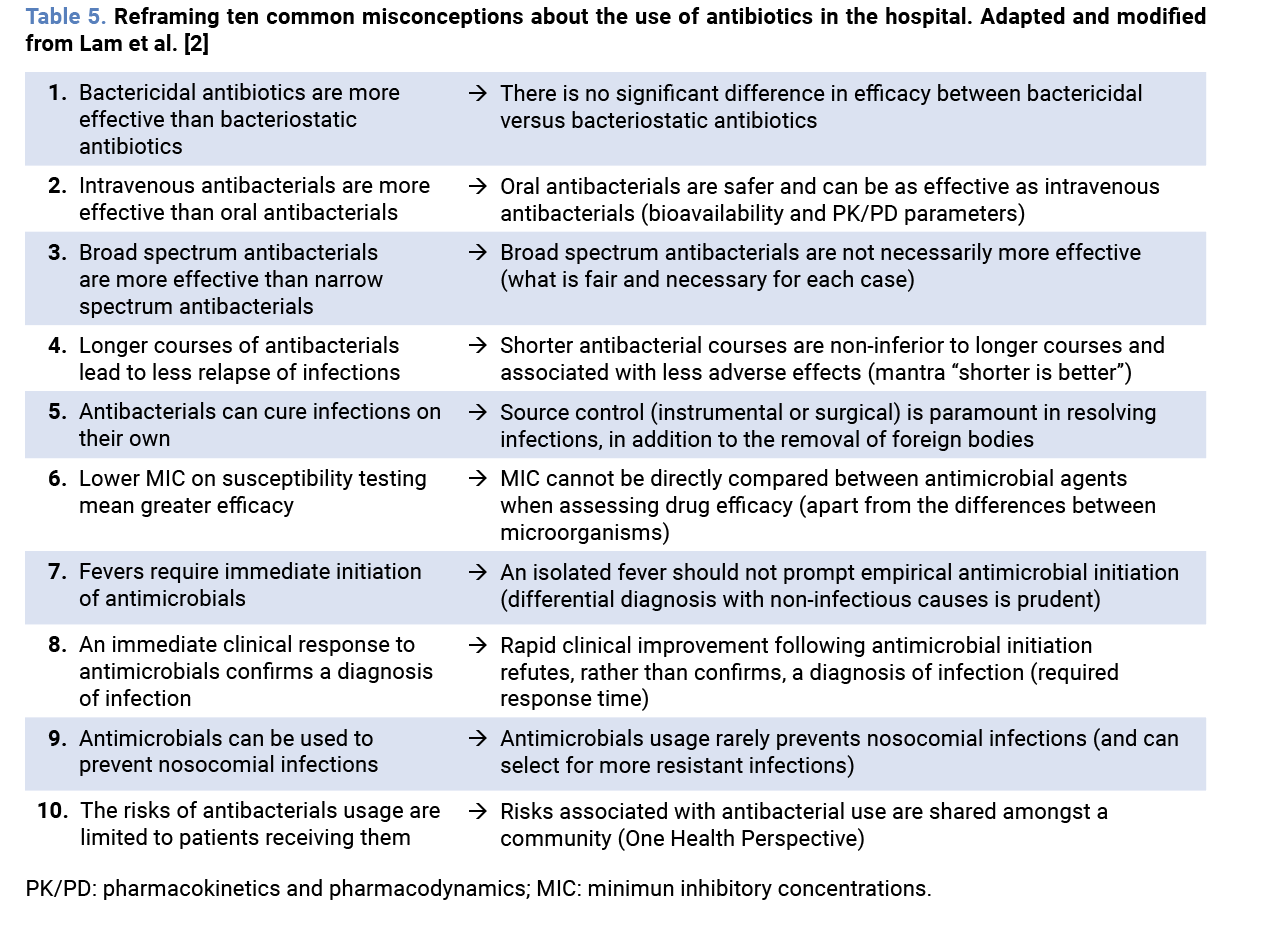
Readers can further their knowledge and engagement by exploring the demystifications included in the article by Lam et al. [2], already referenced in the text and summarized in our final table (Table 5). We also encourage further reflection and dialogue on the captivating therapeutic myths related to infections in highly specialized fields (e.g. immunosuppressed patients, such as solid organ transplantation), which are ripe for clarification [33].
 Funding
Dr. Victor Garcia Bustos (VGB) is a beneficiary and recipient of the "Instituto de Salud Carlos III (ISCIII)" support and coverage, through a "Juan Rodés contract" to the author (grant number JR25/00020).
Conflict of interest
The authors declare no conflict of interest, in relation to the content of this manuscript.
Author contributions
MSL; writing—original draft preparation; RBH, SCT, FPG, VGB, MSL; writing—review and editing; X.X. All (RBH, SCT, FPG, VGB, MSL) authors have read and agreed to the published version of the manuscript.
References
- Llor C, Moragas A, Cordoba G. Veinticinco mitos en enfermedades infecciosas en atención primaria que se asocian con sobrediagnóstico y sobretratamiento [Twenty-five myths in infectious diseases in primary care associated with overdiagnosis and overtreatment]. Aten Primaria. 2018; 50 Suppl 2(Suppl 2):57-64. Spanish. Available from: https://doi.org/10.1016/j.aprim.2018.09.005
- Lam JC, Bourassa-Blanchette S. Ten common misconceptions about antibiotic use in the hospital. J Hosp Med. 2023; 18(12):1123-1129. Available from: https://doi.org/10.1002/jhm.13220
- Johnson MD, Davis AP, Dyer AP, Jones TM, Spires SS, Ashley ED. Top Myths of Diagnosis and Management of Infectious Diseases in Hospital Medicine. Am J Med. 2022; 135(7):828-835. Available from: https://doi.org/10.1016/j.amjmed.2022.03.019
- McCreary EK, Johnson MD, Jones TM, Spires SS, Davis AE, Dyer AP, Ashley ED, Gallagher JC. Antibiotic Myths for the Infectious Diseases Clinician. Clin Infect Dis. 2023; 77(8):1120-1125. Available from: https://doi.org/10.1093/cid/ciad357
- Spellberg B, Chambers HF, Musher DM, Walsh TL, Bayer AS. Evaluation of a paradigm shift from intravenous antibiotics to oral step‐down therapy for the treatment of infective endocarditis: a narrative review. JAMA Intern Med. 2020; 180(5):769‐777. Available from: https://doi.org/10.1001/jamainternmed.2020.0555
- Wald‐Dickler N, Holtom PD, Phillips MC, et al. Oral is the new IV. Challenging decades of blood and bone infection dogma: a systematic review. Am J Med. 2022; 135(3):369‐379. Available from: https://doi.org/10.1016/j.amjmed.2021.10.007
- Bock M, Theut AM, van Hasselt JGC, et al. Attainment of target antibiotic levels by oral treatment of left‐sided infective endocarditis: a POET substudy. Clin Infect Dis. 2023; 77(2):242‐251. Available from: https://doi.org/10.1093/cid/ciad168
- McDonald EG, Aggrey G, Tarık Aslan A, et al. Guidelines for diagnosis and management of infective endocarditis in adults: a WikiGuidelines group consensus statement. JAMA Netwk Open. 2023; 6(7):e2326366. Available from: https://doi.org/10.1001/jamanetworkopen.2023.26366
- Wald‐Dickler N, Holtom P, Spellberg B. Busting the myth of “static vs cidal”: a systemic literature review. Clin Infect Dis. 2018; 66(9): 1470‐1474. Available from: https://doi.org/10.1093/cid/cix1127
- Nemeth J, Oesch G, Kuster SP. Bacteriostatic versus bactericidal antibiotics for patients with serious bacterial infections: systematic review and meta‐analysis. J Antimicrob Chemother. 2015; 70(2): 382‐395. Available from: https://doi.org/10.1093/jac/dku379
- Spellberg B, Rice LB. The Shorter Is Better movement: past, present, future. Clin Microbiol Infect. 2023; 29(2):141-142. Available from: https://doi.org/10.1016/j.cmi.2022.04.005
- Dinh A, Ropers J, Duran C, et al. Discontinuing β‐lactam treatment after 3 days for patients with community‐acquired pneumonia in non‐critical care wards (PTC): a double‐blind, randomised, placebocontrolled, non‐inferiority trial. The Lancet. 2021; 397(10280): 1195‐1203. Available from: https://doi.org/10.1016/S0140-6736(21)00313-5
- Spellberg B. The new antibiotic mantra‐“shorter is better. JAMA Intern Med. 2016; 176(9):1254‐1255. Available from: https://doi.org/10.1001/jamainternmed.2016.3646
- Dominguez F, Gaffin N, Davar K, Wald-Dickler N, Minejima E, Werge D, Holtom P, Spellberg B, Baden R. How to change the course: practical aspects of implementing shorter is better. Clin Microbiol Infect. 2023; 29(11):1402-1406. Available from: https://doi.org/10.1016/j.cmi.2022.07.025
- Davar K, Clark D, Centor RM, Dominguez F, Ghanem B, Lee R, Lee TC, McDonald EG, Phillips MC, Sendi P, Spellberg B. Can the Future of ID Escape the Inertial Dogma of Its Past? The Exemplars of Shorter Is Better and Oral Is the New IV. Open Forum Infect Dis. 2022; 10(1):ofac706. Available from: https://doi.org/10.1093/ofid/ofac706
- Moran GJ, Fang E, Corey GR, Das AF, De Anda C, Prokocimer P. Tedizolid for 6 days versus linezolid for 10 days for acute bacterial skin and skin‐structure infections (ESTABLISH‐2): a randomised, double‐blind, phase 3, non‐inferiority trial. Lancet Infect Dis. 2014; 14(8):696‐705. Available from: https://doi.org/10.1016/S1473-3099(14)70737-6
- Reinhold I, Picardi S, Liss B, Seidel D, Stemler J, Koehler P, et al. Towards shorter therapy for candidaemia: defining uncomplicated candidaemia in adults. Lancet Infect Dis. 2025: S1473-3099(25)00409-8. doi: 10.1016/S1473-3099(25)00409-8.
- Eckmann C. The importance of source control in the management of severe skin and soft tissue infections. Curr Opin Infect Dis. 2016; 29(2):139-44. Available from: https://doi.org/10.1097/QCO.0000000000000240.7
- Urbina T, Razazi K, Ourghanlian C, Woerther PL, Chosidow O, Lepeule R, de Prost N. Antibiotics in Necrotizing Soft Tissue Infections. Antibiotics (Basel). 2021; 10(9):1104. Available from: https://doi.org/10.3390/antibiotics10091104
- Lagunes L, Encina B, Ramirez‐Estrada S. Current understanding in source control management in septic shock patients: a review. Ann Transl Med. 2016; 4(17):330. Available from: https://doi.org/10.21037/atm.2016.09.02
- Levy Hara G, Kanj SS, Pagani L, et al. Ten key points for the appropriate use of antibiotics in hospitalised patients: a consensus from the antimicrobial stewardship and resistance working groups of the International Society of Chemotherapy. Int J Antimicro Ag. 2016; 48(3):239‐246. Available from: https://doi.org/10.1016/j.ijantimicag.2016.06.015
- Cortes‐Penfield NW, Armstrong DG, Brennan MB, et al. Evaluation and management of diabetes‐related foot infections. Clin Infect Dis. 2023; 77(3):e1‐e13. Available from: https://doi.org/10.1093/cid/ciad255
- Stewart PS, William Costerton J. Antibiotic resistance of bacteria in biofilms. The Lancet. 2001; 358(9276):135‐138. Available from: https://doi.org/10.1016/s0140-6736(01)05321-1
- Siciliano V, Sangiorgi F, Del Vecchio P, Vahedi L, Gross MM, Saviano A, Ojetti V. New Frontier on Antimicrobial Therapy: Long-Acting Lipoglycopeptides. Pathogens. 2024; 13(3):189. Available from: https://doi.org/10.3390/pathogens13030189
- Al Diab Al Azzawi M, Abdat W, Alhamed A, Alhothali ASA, Alsheikh RS, et al. Rezafungin vs caspofungin for the treatment of invasive candidiasis: A systematic review and meta-analysis. Diagn Microbiol Infect Dis. 2025; 113(3):116994. Available from: https://doi.org/10.1016/j.diagmicrobio.2025.116994
- Texidor WM, Miller MA, Molina KC, Krsak M, Calvert B, Hart C, Storer M, Fish DN. Oritavancin as sequential therapy for Gram-positive bloodstream infections. BMC Infect Dis. 2024; 24(1):127. Available from: https://doi.org/10.1186/s12879-023-08725-8.
- Lupia T, De Benedetto I, Bosio R, Shbaklo N, De Rosa FG, Corcione S. Role of Oritavancin in the Treatment of Infective Endocarditis, Catheter- or Device-Related Infections, Bloodstream Infections, and Bone and Prosthetic Joint Infections in Humans: Narrative Review and Possible Developments. Life (Basel). 2023; 13(4):959. Available from: https://doi.org/10.3390/life13040959
- Bassetti M, Stewart A, Bartalucci C, Vena A, Giacobbe DR, Roberts J. Rezafungin acetate for the treatment of candidemia and invasive candidiasis: a pharmacokinetic evaluation. Expert Opin Drug Metab Toxicol. 2025; 21(2):125-132. Available from: https://doi.org/10.1080/17425255.2024.2424899
- Giuliano G, Benedetti S, Sambo M, Pierguidi F, Tumbarello M. Successful treatment of complicated infective endocarditis due to Enterococcus faecium in a patient with substance use disorder using oritavancin as sequential maintenance therapy. Clin Microbiol Infect. 2024; 30(4):556-557. Available from: https://doi.org/10.1016/j.cmi.2024.01.008
- Turner NA, Hamasaki T, Doernberg SB, Lodise TP, King HA, Ghazaryan V, et al.; Antibacterial Resistance Leadership Group. Dalbavancin for Treatment of Staphylococcus aureus Bacteremia: The DOTS Randomized Clinical Trial. JAMA. 2025 Aug 13. Available from: https://doi.org/10.1001/jama.2025.12543
- Honore PM, Cornely OA, Soriano A. Rezafungin: an opportunity to personalize the treatment of patients with candidemia. Crit Care. 2025; 29(1):277. Available from: https://doi.org/10.1186/s13054-025-05519-z
- Walker AW, Hoyles L. Human microbiome myths and misconceptions. Nat Microbiol. 2023; 8(8):1392-96. Available from: https://doi.org/10.1038/s41564-023-01426-7
- Goodlet KJ, McCreary EK, Nailor MD, Barnes D, Brokhof MM, Bova S, Clemens E, Kelly B, Lichvar A, Pluckrose DM, Summers BB, Szempruch KR, Tchen S. Therapeutic Myths in Solid Organ Transplantation Infectious Diseases. Open Forum Infect Dis. 2024; 11(7):ofae342. Available from: https://doi.org/10.1093/ofid/ofae342
Explore
Articles
Volumes
About the journal
Most read
Recomendaciones para la prevención y el tratamiento de las infecciones respiratorias en adultos mayores institucionalizados
Revista Española de Quimioterapia
Acute infectious gastroenteritis in childhood: the role of rapid multiplex molecular syndromic panels in diagnosis and clinical management
Revista Española de Quimioterapia
Características epidemiológicas de pacientes con aislamientos de Enterobacterales productores de carbapenemasas-NDM en un hospital de alta complejidad
Revista Española de Quimioterapia
Review on the management of intra-abdominal candidiasis
Revista Española de Quimioterapia
Neoscytalidium dimidiatum: a rare locally acquired deep cutaneous infection in a renal transplant recipient
Revista Española de Quimioterapia